

- 1450Builtfor the Inca Pachacuti, peru.travel
- 2 h 30 minTime insideper ticket, no re-entry, machupicchu.gob.pe
- S/152Foreign adult ticket2026 price, valid to 31 December 2026, culturacusco.gob.pe
- $26Group guide at the sitefrom, per person, in US dollars
Worth it? What you get and what you give up
The answer is a trade. On one side, the citadel and its setting. On the other, rules that fix how long you stay, where you walk and how you get there.
| What | The figure | Good to know |
|---|---|---|
| An Inca citadel | About 200 structures whc.unesco.org | A religious, ceremonial, astronomical and farming centre, in the words of UNESCO |
| A protected landscape | 32,592 ha gob.pe | From the Urubamba River below 2,000 m to snow peaks above 6,000 m |
| World Heritage | Mixed (cultural and natural) World Heritage property whc.unesco.org | Listed by UNESCO in 1983; chosen as one of the new wonders of the world in 2007 |
| Orchids and birds | 340 orchid species gob.pe | Plus over 443 bird species, according to Peru's tourism board |
| The limit | The rule | What it means for you |
|---|---|---|
| Time inside | 2 h 30 min machupicchu.gob.pe | Counted from your entry hour; overstaying leads to removal |
| Going back in | no re-entry to the citadel except for force majeure machupicchu.gob.pe | Once you walk out, your visit is over |
| Where you walk | 3 circuits, 10 routes | Your ticket names one route, and that is the one you follow |
| Getting there | Train, then bus or a steep walk | No road reaches Aguas Calientes. The Consettur bus up takes 25 to 30 min; on foot, about 2 h |
| Crowds | 5,600 a day in high season busquedas.elperuano.pe | 4,500 a day the rest of the year, and no more than 800 entering per hour |
| Rain | January to March machupicchu.gob.pe | The wettest months, by the sanctuary's Master Plan; the dry season is April to August |
| Price | S/152 foreign adult culturacusco.gob.pe | 2026 prices, valid to 31 December 2026. Train and bus are paid on top, in US dollars |
| A guide | a tour guide is recommended, not required, by the regulation busquedas.elperuano.pe | You may walk your route on your own |

Tickets are sold only by Peru’s Ministry of Culture, on tuboleto.cultura.pe. We are an independent guide and sell none. Circuits, prices and quotas are on the tickets page.
When the answer is no, or not yet
The same facts, read the other way. If one of these is you, change the plan before you buy anything.

The citadel itself is lower than Cusco: 2,430 m against 3,400 m. Altitude matters more for the days in Cusco than for the visit. The rainy months, month by month, are on the best time to visit page.
Four steps that decide how the day goes
Each step follows from a rule above. The details live on their own pages.
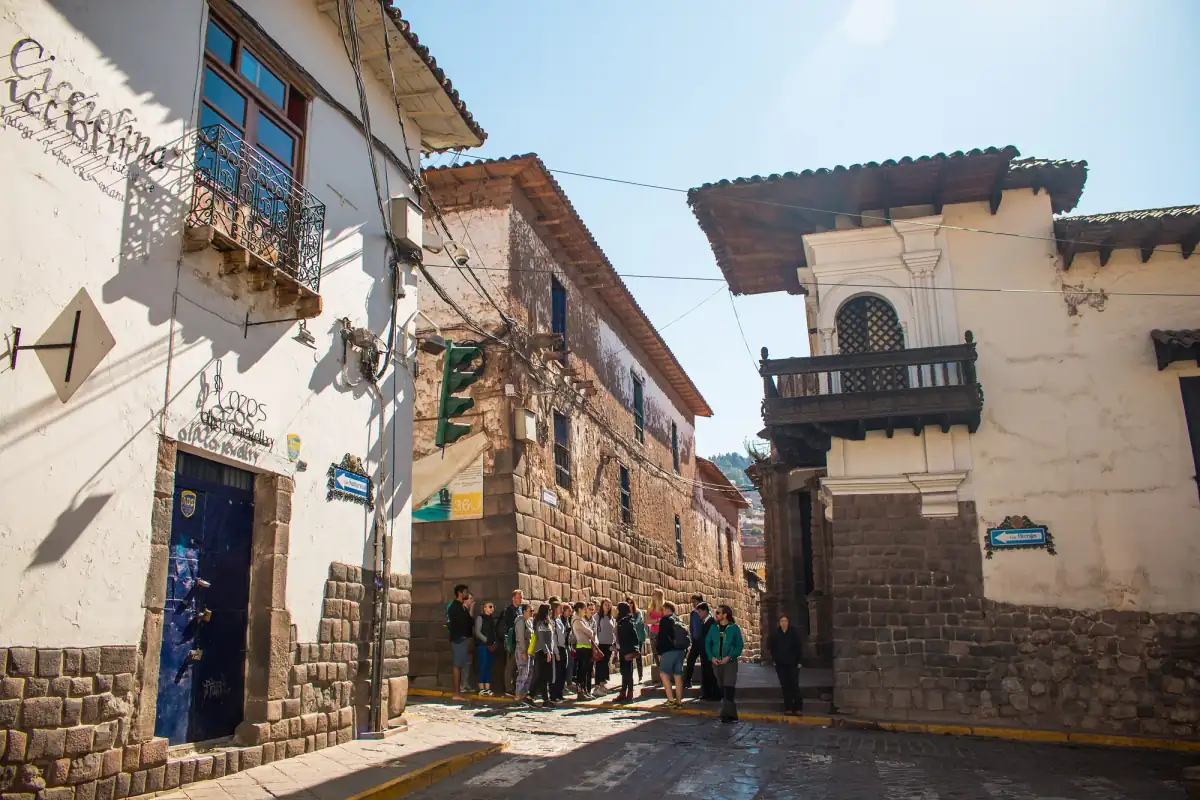
Give Cusco a quiet first day
PromPerú's advice for Cusco: take it easy on the first day, avoid intense exertion, rest, drink water, eat light meals, coca leaf infusion, avoid alcohol and tobacco for the first days. Locals call altitude sickness soroche.
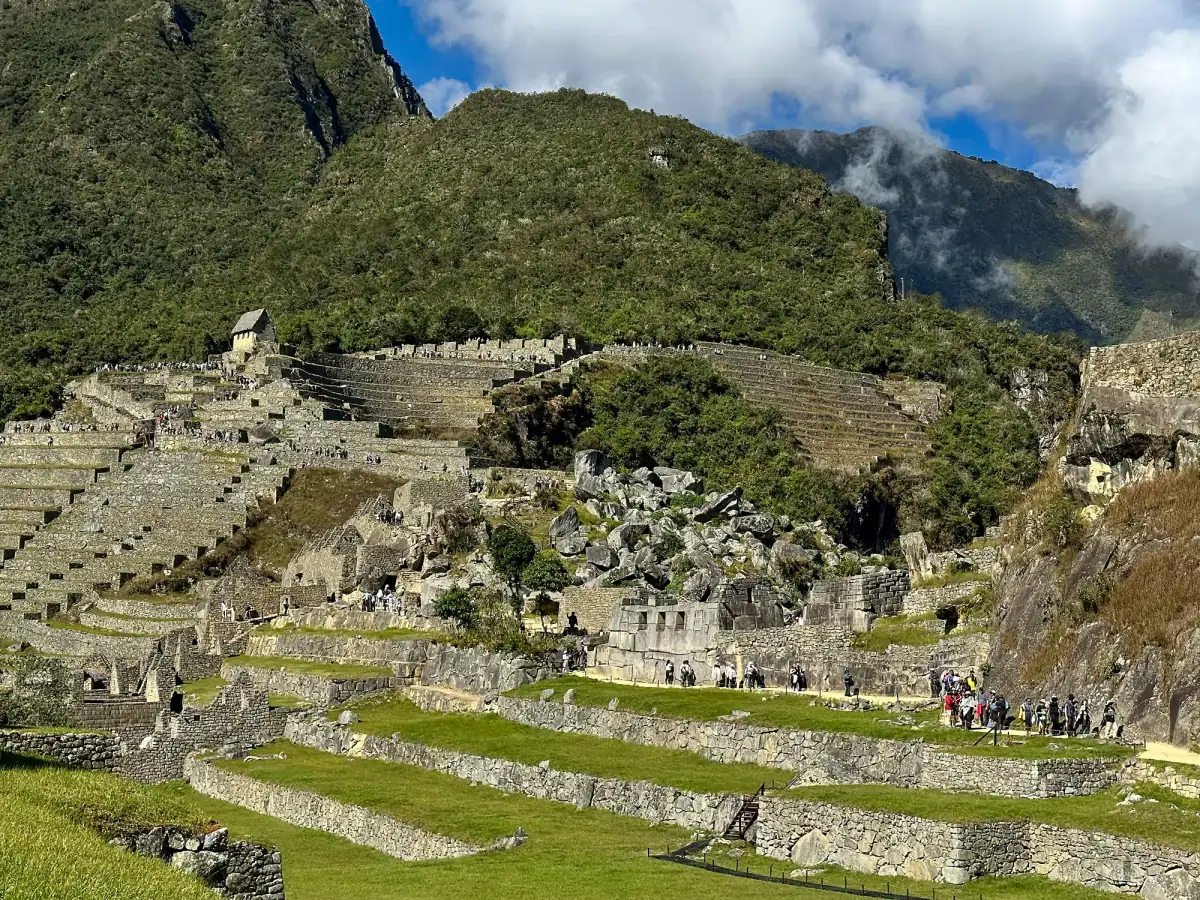
Pick the circuit for what you came to see
Circuit 1 goes high for the views, circuit 2 covers the urban area, circuit 3 the royal buildings. Compare them on the tickets page.
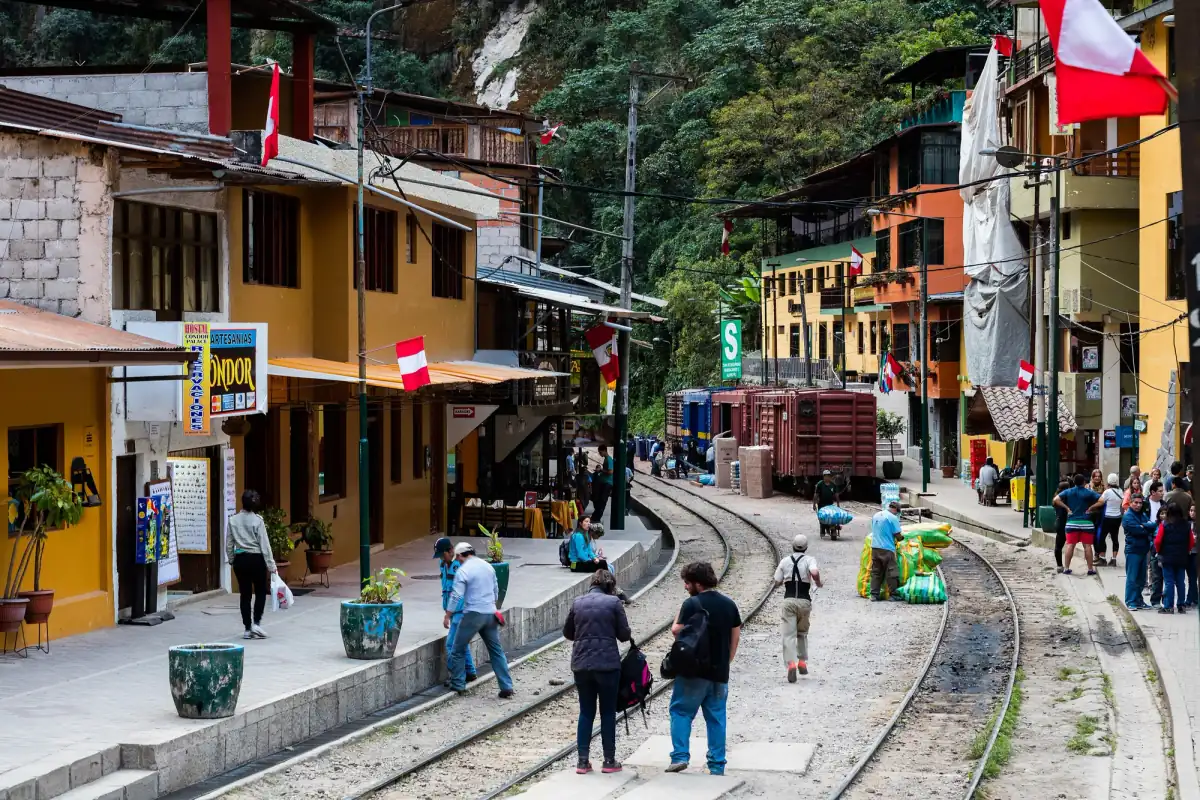
Match the train to your entry hour
A ticket is valid only for its date and hour. You may arrive up to 30 min late, 45 min in high season. Trains are on the getting there page.
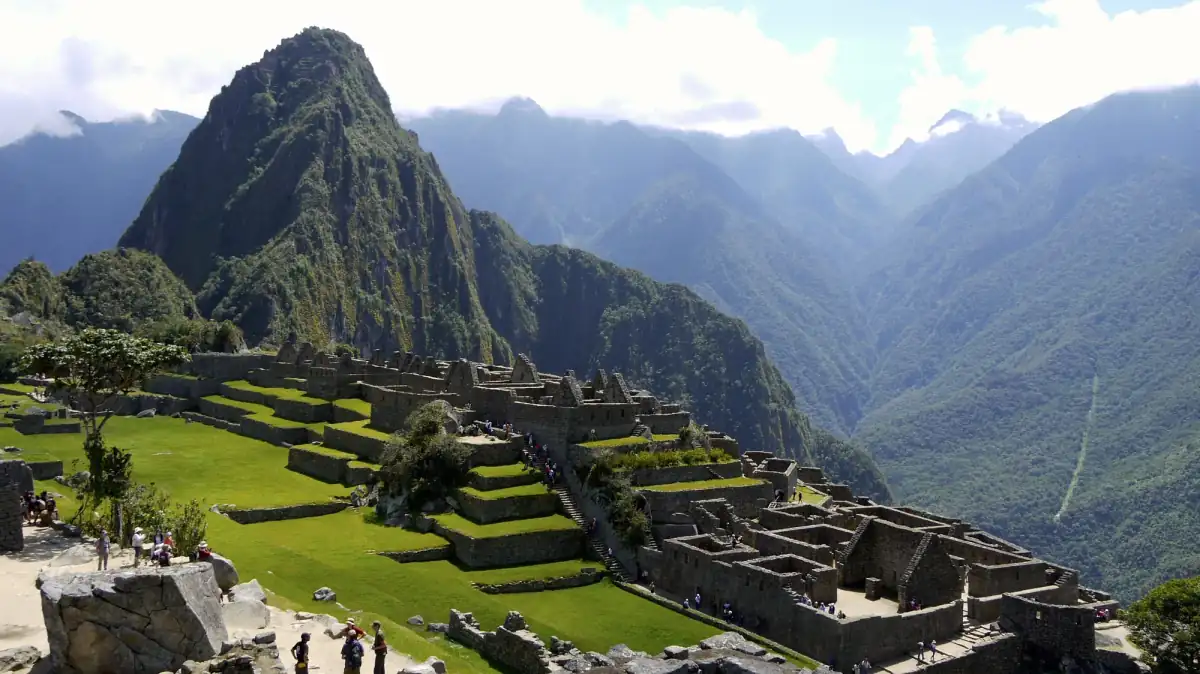
Use the time inside well
You have 2 h 30 min on one route, and the site closes at 17:30. Food is not allowed inside, so eat before you go in.


More on each step: tickets and circuits, getting there, Cusco to Machu Picchu.
What the visit actually shows you
UNESCO counts about 200 structures. The sanctuary around them holds 64 archaeological monuments in an urban zone and a farming zone.

Temple of the Sun
Organic architecture: niches, a large carved rock and windows used to watch the stars.

Intihuatana
A rock outcrop with two small buildings on top and a carved stone between them.

The terraces
Stone terraces made level ground for crops on a steep ridge.

The fountains
Ritual fountains run through the urban zone.
16 fountains
Which circuit passes which building, and what else there is to do, is on the things to do page.
The full list of places, routes and side hikes is on the things to do page; the layout is on the map page.
A guide, or the whole day arranged
You do not need a tour. The ticket is sold direct, and the rules recommend a guide but do not require one. A tour helps when you want someone to explain the buildings on your route, or the train, bus and entry booked as one. Prices in US dollars.
Some tour links here lead to Viator, a booking partner. Book through one and we may receive a commission; what you pay does not change.

Most bookedGroup tour
Machu Picchu day trip from Cusco by train
The classic one-day round trip: train, entry and guide sorted, back in Cusco at night.
14 hours
4.5 out of 5 from 1,725 reviews
from, per person$336
Check dates on Viator: Machu Picchu day trip from Cusco by train
Low costGroup tour
Machu Picchu group guided tour from Aguas Calientes
A cheap shared guide once you are at the site.
2.5 hours, free cancellation
4.9 out of 5 from 116 reviews
from, per person$26
See dates on Viator: Machu Picchu group guided tour from Aguas Calientes
Top ratedPrivate tour
Machu Picchu private guide service, 2 to 3 hours
Add a guide to your own ticket for the main circuit.
3 hours, free cancellation
5.0 out of 5 from 640 reviews

Most reviewedGroup tour
Classic 4-day Inca Trail to Machu Picchu
The famous trek with permits handled, four days of hiking.
4 days
5.0 out of 5 from 11,675 reviews
from, per person$835
See dates on Viator: Classic 4-day Inca Trail to Machu Picchu
Tour figures (price, rating, number of reviews) were read from Viator on November 29, 2026. A price is for one traveller in US dollars, apart from private tours, and it rises and falls with the season.
Machu Picchu through the centuries
From the Inca builders to the circuits of today. Neither UNESCO nor PromPerú gives exact building years, so the first date is approximate.
Built under the Inca Pachacuti
UNESCO dates the citadel to the 15th century. Peru's tourism board says it was planned and built around 1450, by order of Pachacuti.
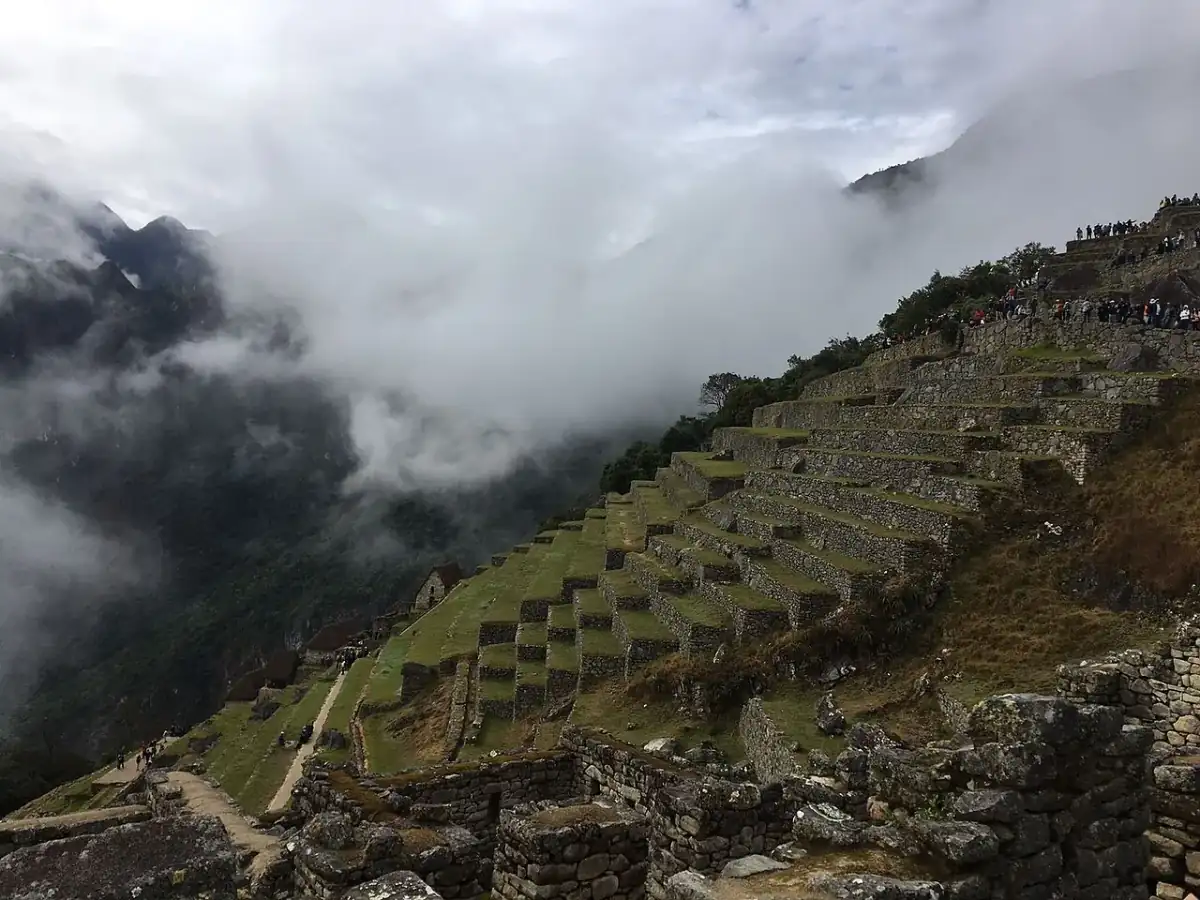
Left empty after the Spanish conquest
UNESCO says the citadel was abandoned when the Spaniards conquered the Inca Empire.
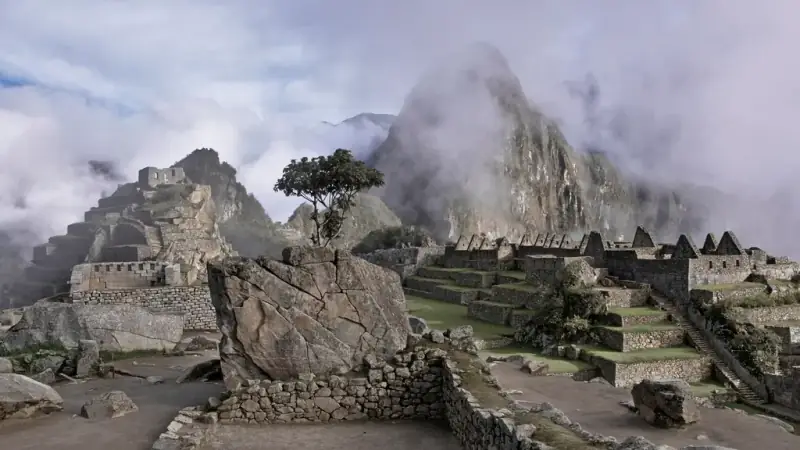
Hiram Bingham makes it known abroad
Bingham reached the ruins on 24 July 1911. UNESCO puts it this way: not until 1911 was the complex made known to the outside world.
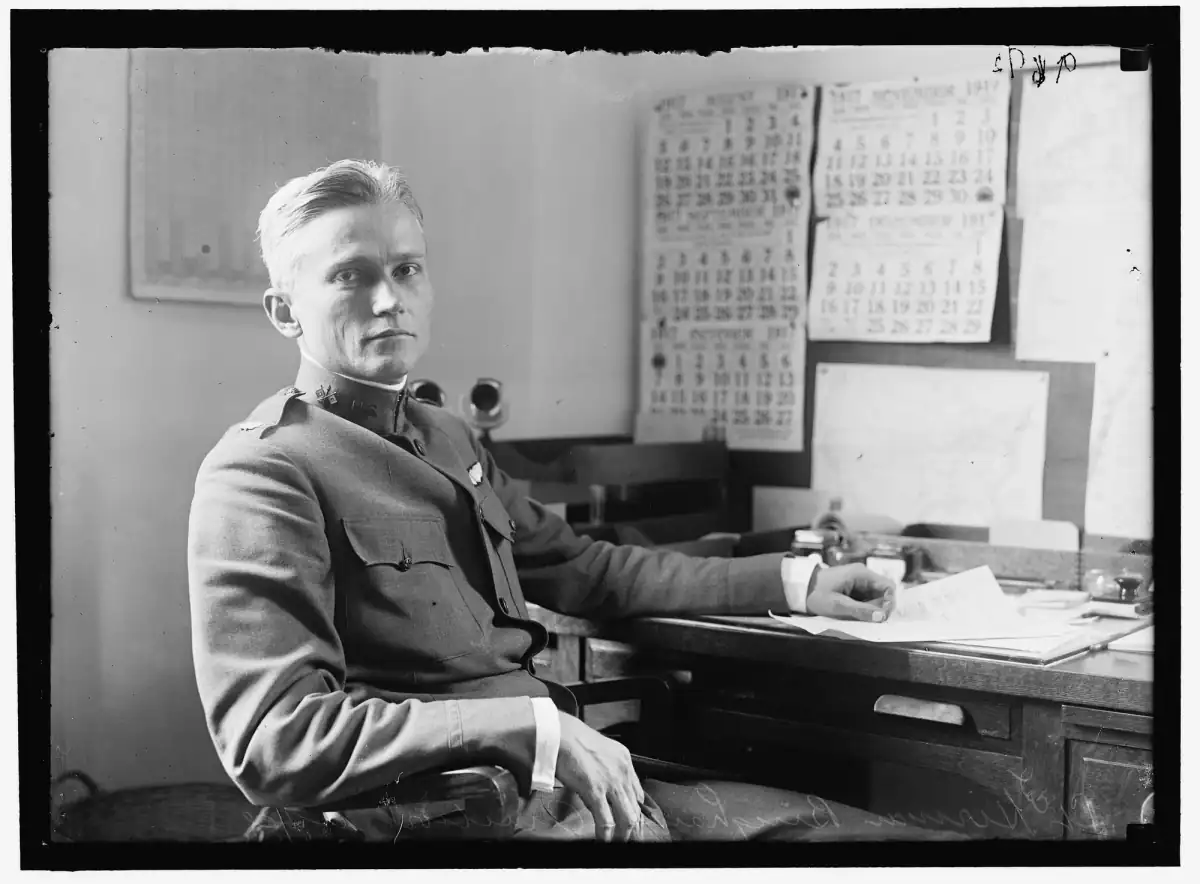
National Geographic tells the story
The April issue of the magazine was given over to Peru and Machu Picchu. The photo is an archive one from the expedition years.
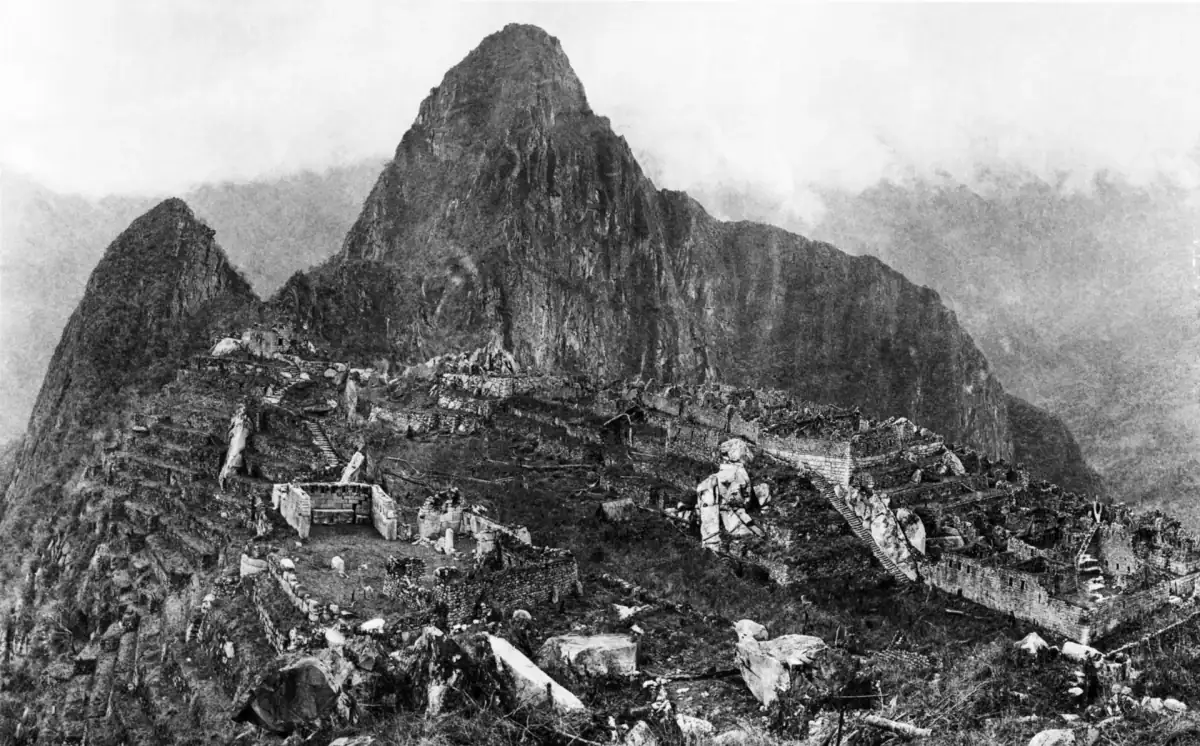
A protected sanctuary
On 8 January 1981, Supreme Decree No. 001-81-AA created the Historic Sanctuary, now a protected area run by SERNANP.
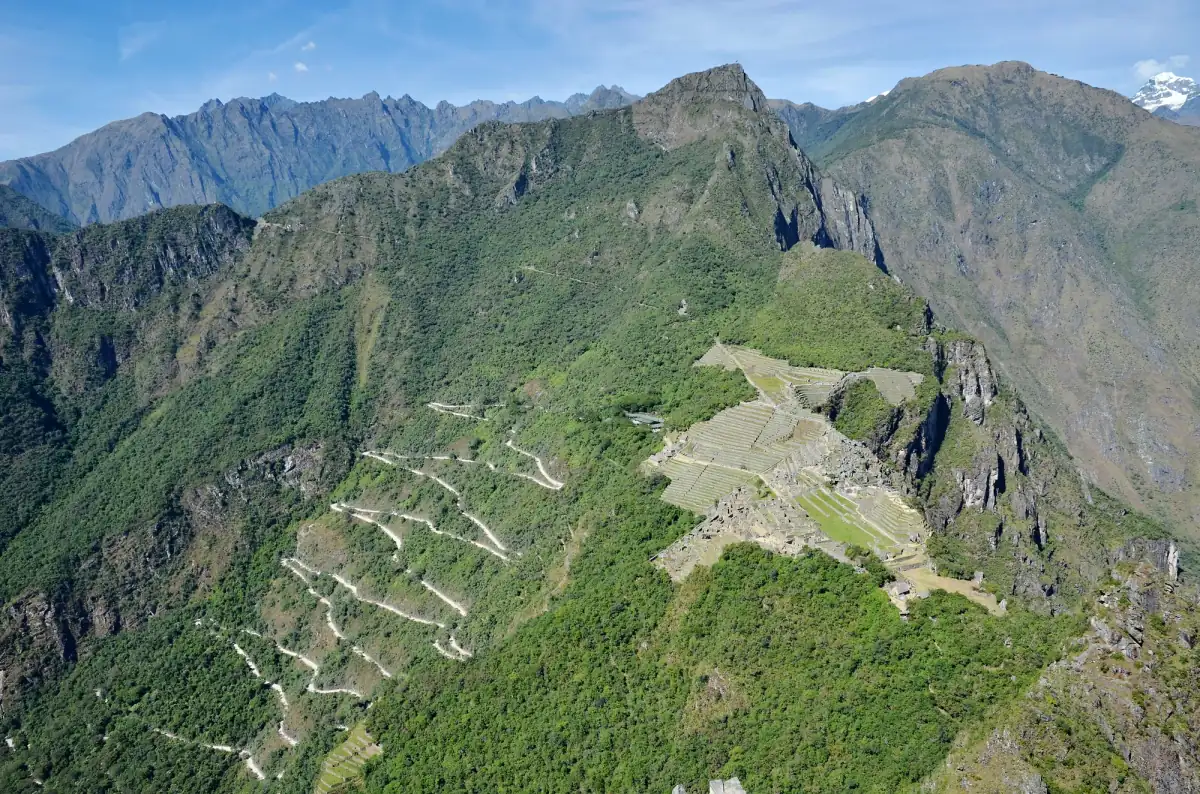
On the World Heritage List
UNESCO listed it as a Mixed (cultural and natural) World Heritage property, under criteria (i)(iii)(vii)(ix): for both the ruins and the nature.
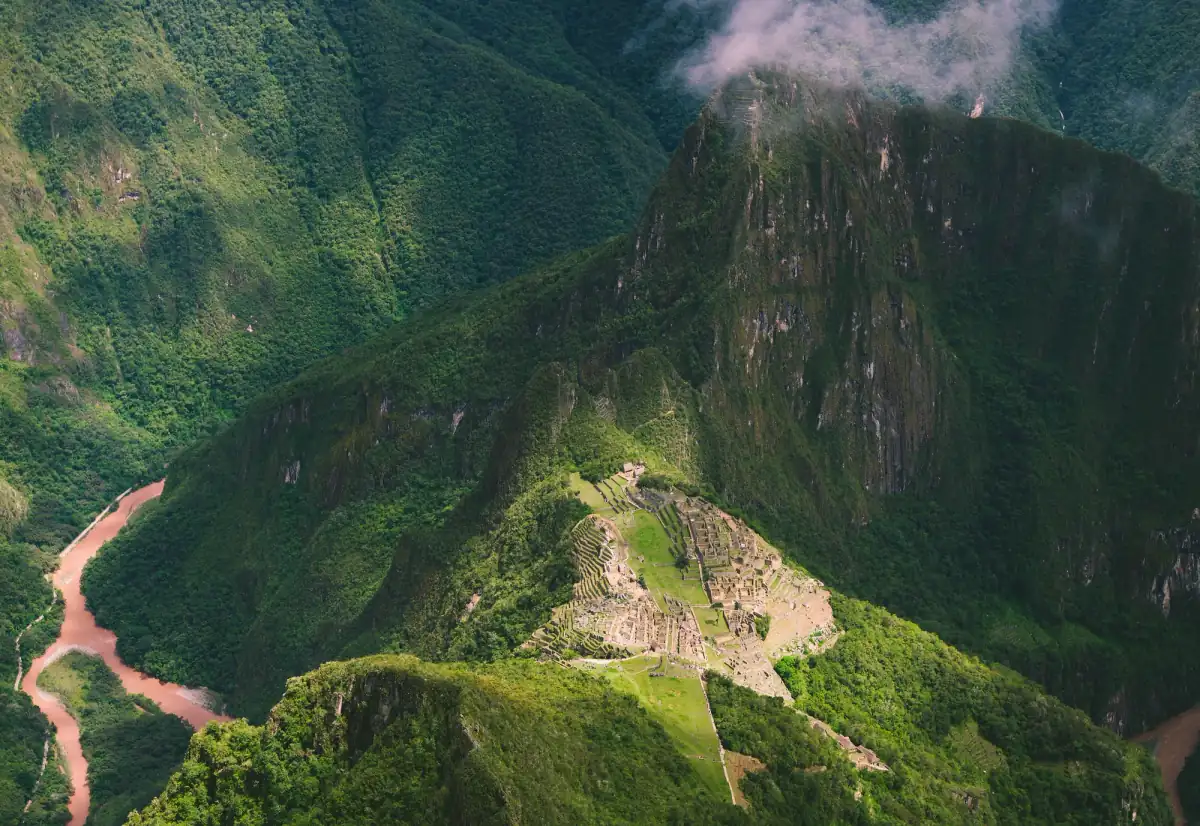
One of the new wonders of the world
It was chosen in Lisbon on 7 July 2007, after a public vote on the internet.
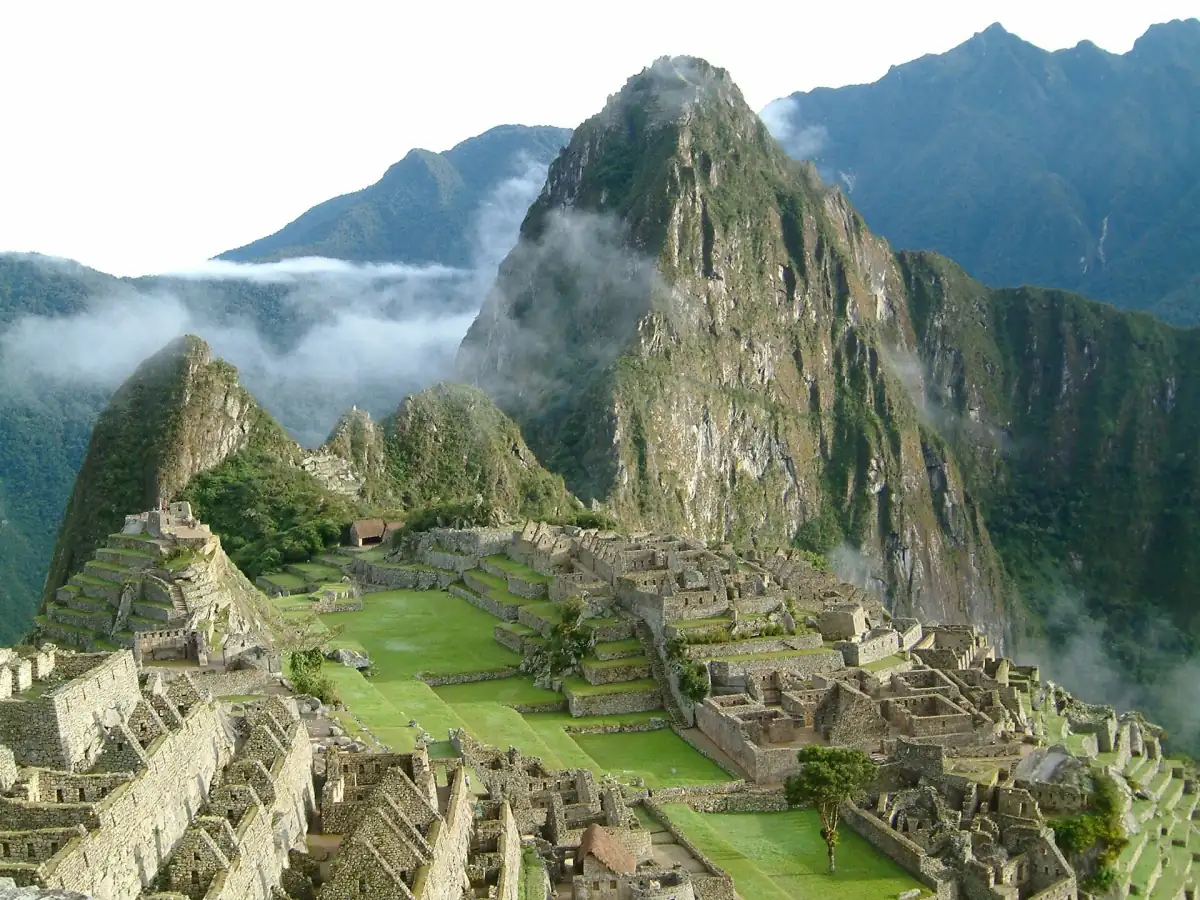
Circuits replace the free walk
Since 1 June 2024 every visit follows one of 3 circuits, split into 10 routes.
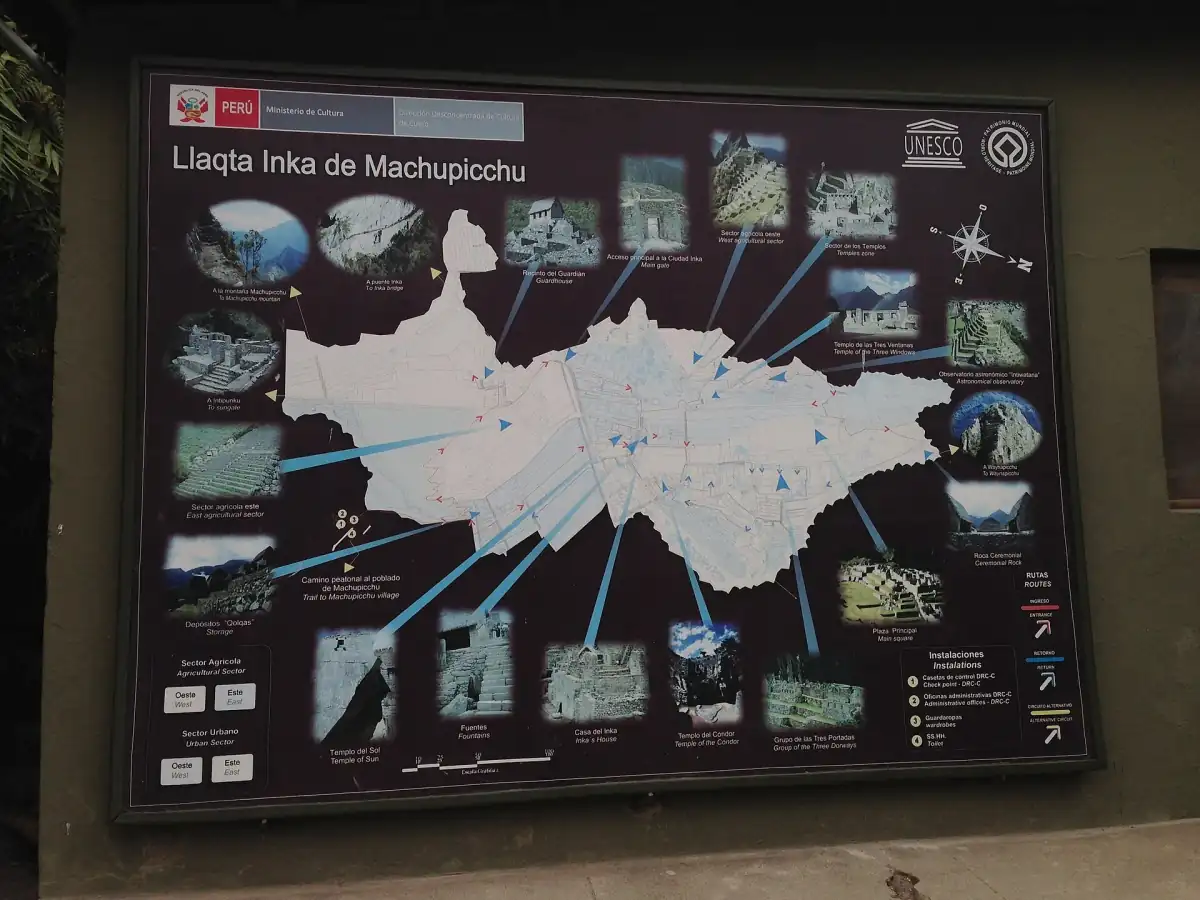


Altitude, size and rain, in figures
Where UNESCO, SERNANP and PromPerú disagree, the table shows both and says which one we use.
| What | The figure | Source and notes |
|---|---|---|
| Altitude of the citadel | 2,430 m whc.unesco.org | UNESCO. A PromPerú brochure prints 2,450 m |
| Altitude of Cusco | 3,400 m perurail.com | So the citadel is lower than the city you start from |
| Size of the sanctuary | 32,592 ha gob.pe | SERNANP and the UNESCO text. UNESCO's property data box gives 38,160.87 ha; we use the first figure |
| Where it is | Machupicchu District, Urubamba Province, Cusco Region gob.pe | |
| Mean temperature | 18°C machupicchu.gob.pe | Year-round average at the citadel, from the sanctuary's Master Plan |
| Rain a year | 2,010 mm machupicchu.gob.pe | At the citadel; humidity runs at 80 to 90% |
| Wettest and driest month | January and June | At the Machupicchu station, 2006-2009: 372.5 mm against 37.3 mm |
| Inca Trail network | 70 km visitaareasnaturales.sernanp.gob.pe | 6 routes inside the sanctuary |

Orchids, birds and bears: the forest around the ruins
UNESCO lists Machu Picchu for nature as well as for its buildings. SERNANP has recorded 340 orchid species here, about 20% of the 1,700 known in Peru.

Orchids
This pink one was photographed by the Wiñay Wayna terraces, on the Inca Trail route.
340 species recorded

Andean cock-of-the-rock
A protected species of the sanctuary. This bird was photographed in Colombia.

Cloud forest
Humidity at the citadel runs at 80 to 90%. The photo shows this kind of forest, not a named spot.

Llamas
You may meet one on the terraces, but llamas are not on the sanctuary wildlife lists.
Also in the sanctuary: over 443 bird species and about 377 butterfly species (Peru's tourism board). The SERNANP list names the spectacled bear, the Andean condor and the puma.
The Inca Trail, in short
The classic trail is 4 days and 3 nights on foot from Piscacucho (Km 82), over 33.7 km. You cannot walk it alone.
| What | The rule | Good to know |
|---|---|---|
| Who can walk it | yes: only organised trips through travel agencies with a SERNANP tourism services contract cdn.www.gob.pe | Permits are bought by the agency, for its own clients |
| People a day | 500 busquedas.elperuano.pe | On each long route; the count includes guides, porters and cooks, not only hikers |
| Closed | February cdn.www.gob.pe | Last reopened on 1 March 2026 |
| Highest pass | 4,200 m visitaareasnaturales.sernanp.gob.pe | Abra Warmiwañusca, much higher than the citadel |
| Short version | 2 days / 1 night cdn.www.gob.pe | 10.4 km from Chachabamba (Km. 104) |

How the trail compares with the day visit and the side hikes is on the things to do page. Every trek and tour we list is on the tours page.
Is it worth it? What people answer online
When someone asks whether to skip Machu Picchu, the replies run one way.
Most say do not skip it
In threads asking whether to drop it from a Peru trip, the top replies said keep it; one compared skipping it to skipping Petra in Jordan.
A night in Aguas Calientes
A common tip: sleep in town the night before and catch an early bus up, ahead of the day crowds.

Later can be calmer
Some found the afternoon quieter once the day tours left. Under today's rules the last entry is at 15:00.
Treat altitude with care
Posters advise a couple of slow days in Cusco or the lower Sacred Valley first, and to stop and rest if symptoms start.
The journey is part of it
Several people counted the train ride through the mountains among the parts of the trip they remember most.
Retold in our words from threads on r/travel and r/PERU, read 23 November 2026. Opinions from people who went, not measurements.
Machu Picchu facts in short answers
Is Machu Picchu worth it?
It is if its limits suit you. You get an Inca citadel listed by UNESCO since 1983; you also get one route, 2 h 30 min inside, no re-entry and a train-and-bus trip to reach it.
How old is Machu Picchu?
It was built in the 15th century, around 1450 according to Peru's tourism board. Neither UNESCO nor PromPerú gives exact years.
Who built Machu Picchu?
The Incas, by order of the Inca ruler Pachacuti, according to Peru's tourism board.
Who discovered Machu Picchu?
Hiram Bingham reached it on 24 July 1911. UNESCO says that was when it was made known to the outside world, not when it was first found.
Why was Machu Picchu abandoned?
UNESCO says it was abandoned when the Spaniards conquered the Inca Empire.
How high is Machu Picchu?
2,430 m above sea level, according to UNESCO. Cusco is higher, at 3,400 m.
Is Machu Picchu one of the seven wonders?
Yes. It was chosen as one of the new wonders of the world in Lisbon on 7 July 2007.
Can I visit Machu Picchu without a guide?
Yes. The regulation recommends a guide but does not require one.
Can I hike the Inca Trail on my own?
No. Only organised trips with a licensed agency may walk it, and it closes every February.
Is this the Machu Picchu ticket site?
No. We are an independent guide and sell no tickets. Peru's Ministry of Culture sells them on tuboleto.cultura.pe; the tours on this page are Viator partner links.
We last verified the prices, timetables and entry rules on this page on November 23, 2026. Peru changes ticket rules and train times without much notice, so open the source beside a number before you pay for anything.
Photo credits
- hero machu picchu: Martin St-Amant (S23678), CC BY-SA 3.0 via Wikimedia Commons; resized to 2000px wide, converted to WebP
- bingham 1911: Hiram Bingham III, public domain via Wikimedia Commons; resized to 1920px wide, converted to WebP
- bingham portrait: Harris & Ewing, photographer, public domain via Wikimedia Commons; resized to 2000px wide, converted to WebP
- panorama wide: Martin St-Amant (S23678), CC BY-SA 3.0 via Wikimedia Commons; resized to 2000px wide, converted to WebP
- sanctuary nature: Jason Hollinger, CC BY 2.0 via Wikimedia Commons; resized to 1920px wide, converted to WebP
- three windows: Lark Ascending, public domain via Wikimedia Commons; resized to 1920px wide, converted to WebP
- cock of the rock: Charles J. Sharp, CC BY-SA 4.0 via Wikimedia Commons; resized to 2000px wide, converted to WebP